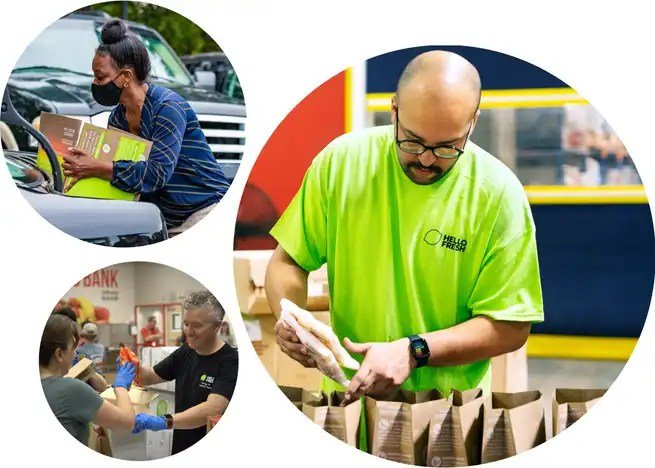
HelloFresh Sustainability Efforts Target Waste, Emissions, and Packaging
{Note to User: No cluster links were provided in the CLUSTER LINKS section of the prompt, only the Super Pillar link. Therefore, I have only included the Super Pillar link as instructed. If there were cluster links intended, please provide them, and I will gladly integrate them into the article.}
When you unbox a meal kit, do you ever pause to consider the journey those ingredients took, or what happens to the packaging once your culinary adventure is complete? Many of us are becoming increasingly aware of our environmental footprint, and companies like HelloFresh are feeling the pressure – and opportunity – to operate more sustainably. Understanding HelloFresh's sustainability & environmental impact means diving into their efforts to reduce waste, curb emissions, and innovate packaging, painting a clearer picture of whether your convenient dinner choice aligns with your green values.
At a Glance: HelloFresh's Green Commitments
- Food Waste Reduction: Diverted 80% of production facility food waste from landfills in 2024, with customers reducing waste through pre-portioned ingredients.
- Carbon Emissions: Achieved a 63% reduction in US meal-kit production facility emissions since 2019, with a commitment to offset 100% of all operations' emissions.
- Renewable Energy: Sources 100% of electricity from renewables, bolstered by efficiency upgrades and solar installations.
- Shorter Supply Chain: Prioritizes domestic suppliers and direct purchasing to cut down on "food miles."
- Packaging Innovation: 90% of packaging is curbside recyclable, with a "Box Fit" algorithm optimizing box sizes and 37% of packaging using recycled content.
Cultivating a Greener Food System: HelloFresh's Overarching Vision
At its core, HelloFresh aims to do more than just deliver delicious recipes; the company is dedicated to building a food system that's better for people and the planet. This isn't a simple undertaking, given the complexities of global food production and distribution. Their approach targets several critical areas: aggressively eliminating food waste, actively fighting food insecurity, significantly reducing their carbon footprint, and constantly innovating in packaging solutions. It's a holistic view, recognizing that these elements are interconnected in the quest for true sustainability.
Winning the War on Food Waste: From Production to Your Plate
Food waste is a monumental problem, globally contributing to greenhouse gas emissions and squandering valuable resources. HelloFresh tackles this challenge on multiple fronts, starting right in their own facilities.
Imagine tons of fresh ingredients moving through a massive production facility. It's easy for small amounts to be deemed unusable or left over. In 2024, HelloFresh impressively diverted 80% of its food waste from its production facilities away from landfills. This isn't just about tossing less; it's about strategic action. Leftover ingredients that are still perfectly good are donated to nonprofit organizations dedicated to supporting food-insecure families. Anything unsuitable for donation gets recycled, ensuring minimal environmental impact.
But the fight against food waste doesn't stop at their doors; it extends right into your kitchen. One of the inherent benefits of meal kits is the pre-portioned ingredients. You receive exactly what you need for each recipe, virtually eliminating the half-used avocado or wilting herbs that often get forgotten in the back of the fridge. This customer-level reduction in food waste is a powerful contribution, as it prevents countless pounds of uneaten food from ending up in landfills, where it would decompose and release methane, a potent greenhouse gas.
Powering Down the Planet's Burden: Emissions Reduction & Renewable Energy
The journey from farm to fork often comes with a hefty carbon price tag. HelloFresh has made significant strides in shrinking its carbon footprint, particularly within its operational heart: the production facilities.
Since 2019, the company has achieved a remarkable 63% reduction in carbon emissions at its US meal-kit production facilities. How do they do it? A multi-pronged strategy is at play.
First, energy sourcing is key. HelloFresh sources 100% of its electricity consumption from renewables. When direct purchasing from renewable energy providers isn't feasible, they supplement this commitment with Renewable Energy Certificates (RECs). Think of RECs as a tracking system for renewable electricity. Each REC represents the environmental attributes of 1 megawatt-hour of electricity generated from a renewable source. By purchasing RECs, HelloFresh helps fund and incentivize renewable energy generation elsewhere, effectively greening their grid footprint.
Beyond simply buying green energy, HelloFresh is investing heavily in energy efficiency and innovation. This includes:
- Retrofitting LEDs: Swapping old, energy-hungry lighting for modern, efficient LED systems dramatically cuts electricity usage.
- Monitoring Equipment: Closely tracking and maintaining refrigeration equipment helps minimize refrigerant leaks, which are significant contributors to greenhouse gas emissions.
- Installing Rooftop Solar Arrays: Generating their own clean energy on-site further reduces reliance on the grid and demonstrates a commitment to self-sufficiency.
Another critical area is the supply chain. Traditional supermarkets often rely on complex, multi-layered supply chains that can involve ingredients traveling thousands of miles. HelloFresh strives for a shorter supply chain, prioritizing domestic suppliers and direct purchasing whenever possible. This strategy significantly reduces "food miles" – the distance food travels from production to consumption – and consequently, the associated transportation emissions. By cutting out intermediaries, they not only reduce emissions but also often ensure fresher ingredients reach your door.
Looking beyond facility operations, HelloFresh has made a formal commitment to offsetting 100% of its carbon emissions across all operations. This comprehensive approach includes corporate travel and even the shipping of your meal kits. While reducing emissions is paramount, offsetting provides a way to mitigate the unavoidable emissions that still occur, often through investments in projects that capture or prevent greenhouse gases. In 2021 alone, these efforts resulted in a carbon emissions reduction equivalent to removing 6,967 cars off the road – a tangible impact that highlights the scale of their dedication.
Moreover, in a forward-thinking move, HelloFresh has evaluated climate-related financial risks and opportunities impacting its operations and value chain, in compliance with CA SB 261. This legislation encourages companies to assess and disclose how climate change might affect their business, demonstrating a proactive stance on long-term environmental stewardship and resilience.
Unboxing Sustainability: Packaging Innovation & Recyclability
One of the most visible aspects of a meal kit service is its packaging. HelloFresh understands that convenient delivery shouldn't come at the cost of environmental integrity, and they've invested in making their packaging as eco-friendly as possible.
Currently, 90% of HelloFresh packaging is curbside recyclable in most US states. This is a significant figure, aiming to ensure that the materials used to protect your food can find a second life rather than ending up in a landfill.
But it's not just about recyclability; it's about efficiency. HelloFresh uses a proprietary "Box Fit" algorithm. This clever system determines the most efficient box size and appropriate ice levels for each individual order. Why does this matter? Smaller, perfectly sized boxes mean delivery vehicles can carry more boxes per trip. More boxes per trip translates directly to fewer delivery vehicles on the road, which in turn reduces overall carbon emissions per box delivered. It's a smart example of how small optimizations can lead to significant environmental benefits.
The company also focuses on the content of its packaging. By partnering with strategic suppliers, 37% of HelloFresh packaging (by weight) utilizes recycled or reused content. This reduces the demand for virgin materials and supports the circular economy.
You might occasionally notice some produce, like zucchini or cucumbers, wrapped in plastic within your box. While plastic often gets a bad rap, HelloFresh employs it strategically here for a very specific environmental reason: to protect produce in transit and extend shelf life. For instance, just 1.5 grams of plastic can extend a zucchini’s shelf life between 3 and 15 days. This seemingly small amount of plastic plays a crucial role in preventing food spoilage. When food spoils before it's consumed, it often ends up in landfills, generating CO2 and methane. By using minimal protective plastic, HelloFresh reduces food waste, which ultimately has a larger positive impact on CO2 emissions than avoiding the plastic entirely in these specific instances. It’s a nuanced approach, prioritizing the reduction of food waste—a far more significant environmental contributor—over absolute plastic avoidance in every scenario.
Your Practical Guide to Recycling HelloFresh Packaging
Navigating recycling can sometimes feel like a puzzle, but HelloFresh aims to make it as straightforward as possible. Here’s how to properly dispose of the various components:
- Ice Packs: These are a common question. You can follow the specific directions printed on the pack itself. Generally, this involves cutting open the pack, emptying the non-toxic gel into the trash (it's often a mixture of water and a plant-based polymer, safe for municipal waste), rinsing the plastic film, and then recycling or discarding the plastic film via in-store drop-off programs (often labeled for plastic films/bags).
- Plastic (numbers 2 or 4): This often includes thin plastic bags for certain ingredients. These types of plastics are typically accepted at store drop-off programs in most areas (think grocery stores with plastic bag recycling bins). If such programs aren't available in your vicinity, these items should be discarded in your regular trash. Always check with your local recycling guidelines.
- Insulation: HelloFresh uses various forms of insulation to keep your food fresh. This includes corrugated liners, honeycombed paperboard, and even innovative ClimaCell plant-based insulation foam. All of these materials are fully recyclable and should be placed with your paper/cardboard recycling.
- Boxes and Separators: The main delivery box and any internal cardboard separators are your classic recyclables. Most are made from 100% recycled content cardboard (with a minimum of 40% post-consumer recycled content). Simply fold them flat and place them with your curbside recyclables, or if you have a composting system that accepts cardboard, they can often be composted.
- Meal Kit Bags (Paper): The individual paper bags that contain ingredients for each meal are fully recyclable and compostable. Just remember to peel off and discard the sticky-backed label in your regular trash, as these labels are not typically recyclable with the paper bag itself.
The Bigger Picture: HelloFresh and Conscious Consumerism
Understanding HelloFresh's sustainability & environmental impact reveals a company actively working to reduce its footprint across multiple dimensions. From sophisticated algorithms that minimize packaging and optimize delivery routes, to robust recycling programs and significant investments in renewable energy, their efforts are designed to address the complex environmental challenges of modern food delivery.
Their commitments to drastically cut food waste and emissions aren't just good for the planet; they're also a reflection of evolving consumer expectations. As you consider your own meal choices and their broader implications, knowing the details behind companies' environmental initiatives becomes increasingly important. If you're weighing the pros and cons of this service against your personal priorities, taking a closer look at these sustainability efforts can certainly inform your decision. To truly understand if this service aligns with your lifestyle and budget, you might also want to Find out if HelloFresh is worth it.
Ultimately, the goal is a food system that nourishes people without depleting the planet. HelloFresh’s journey towards greater sustainability is ongoing, and by understanding their efforts, you can make more informed choices about the food you bring into your home.